Infrastructure Failure Detection
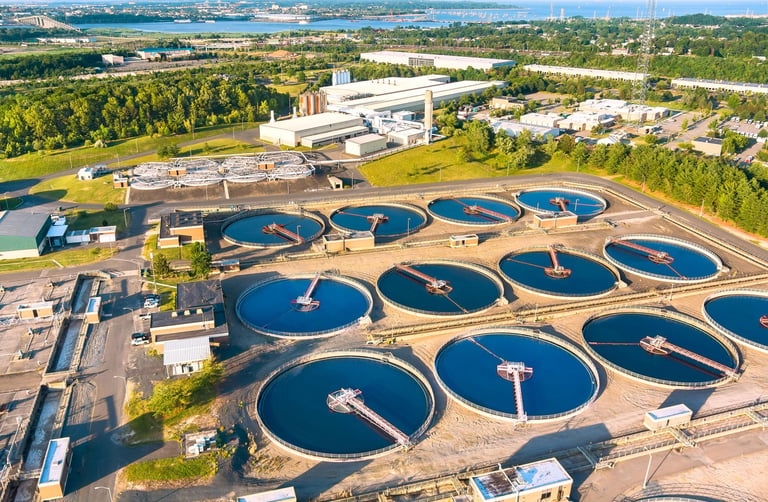
Water infrastructure failures are becoming an increasingly critical global risk as aging systems, climate stress, population growth, and extreme weather events place unprecedented pressure on dams, reservoirs, pipelines, aqueducts, pumping stations, and treatment facilities. Across many regions, water infrastructure networks were designed decades ago and are now operating under environmental and operational conditions far beyond their original capacity.
Globally, several billions of cubic meters of treated water are lost every year due to leaks, pipe failures, operational inefficiencies, and infrastructure degradation. In some urban systems, non-revenue water losses exceed 30–40% of total supply, generating enormous economic costs while weakening water security and resilience. At the same time, extreme rainfall, drought stress, land subsidence, corrosion, and rising operational pressure are increasing the probability of critical failures across water facilities and distribution networks.
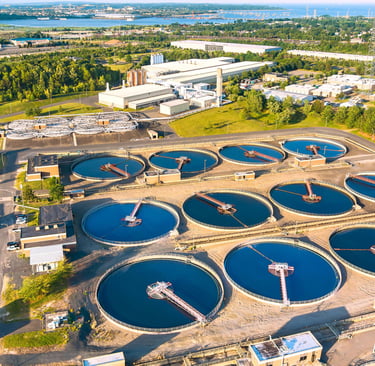
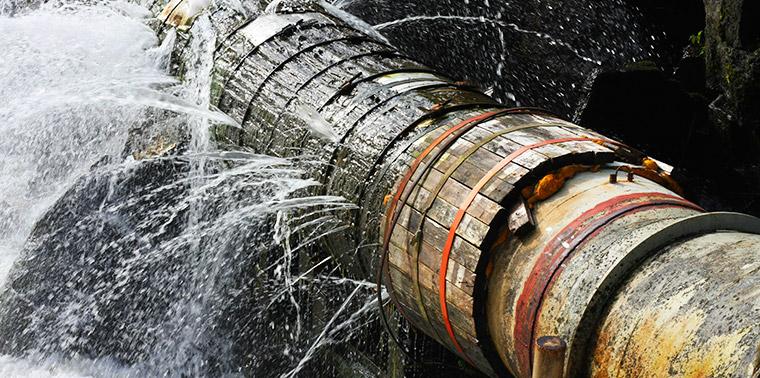
Aegir Resilience addresses these challenges through an advanced Infrastructure Failure Detection system designed to identify vulnerabilities before operational disruptions occur. The platform integrates IoT sensor networks, hydraulic pressure data, satellite imagery, geotechnical surveys, maintenance records, environmental conditions, and historical operational patterns into a unified predictive intelligence framework.
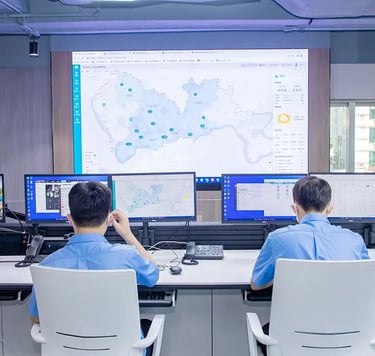
Using AI-driven analytics and anomaly detection models, the system continuously monitors infrastructure stress indicators capable of revealing early signs of deterioration, overload, leakage, structural instability, abnormal pressure fluctuations, and operational anomalies affecting water facilities. This allows operators to detect hidden vulnerabilities across dams, reservoirs, aqueducts, pipelines, pumping stations, desalination plants, and treatment facilities before failures escalate into emergencies.
The platform also evaluates how external environmental stressors including drought conditions, flooding, seismic activity, subsidence, and climate variability - interact with infrastructure fragility to amplify systemic risk. Through predictive simulations and real-time monitoring, Aegir Resilience can estimate the probability of infrastructure failure, identify high-risk assets, and support predictive maintenance strategies capable of reducing downtime, operational costs, and emergency response expenditures.
By transforming fragmented infrastructure data into actionable operational intelligence, the system enables utilities, governments, industrial operators, insurers, and infrastructure managers to move from reactive maintenance toward proactive resilience management. In a world increasingly exposed to climate uncertainty and water stress, protecting critical water infrastructure is no longer only an engineering priority - it is a strategic necessity for economic stability, public safety, and long-term water security.

Reach us
filippo.verre@aegirresilience.com
Request a technical briefing
Response within one business day
(C) 2026 Aegir Resilience - Predict to Prevent
Weeks ahead — not hours behind